Recognizing the Steel Castings Refine: A Comprehensive Overview for Beginners
The Metal Casting process is an essential strategy in producing that changes molten metal right into strong kinds. Novices should comprehend the numerous methods included, such as sand spreading and die spreading. Recognizing the materials, style concepts, and precaution is similarly important. Each facet plays a critical function in attaining effective results. As one navigates these ins and outs, the question of how to optimize each step for enhanced outcomes ends up being significantly important.
The Fundamentals of Steel Casting
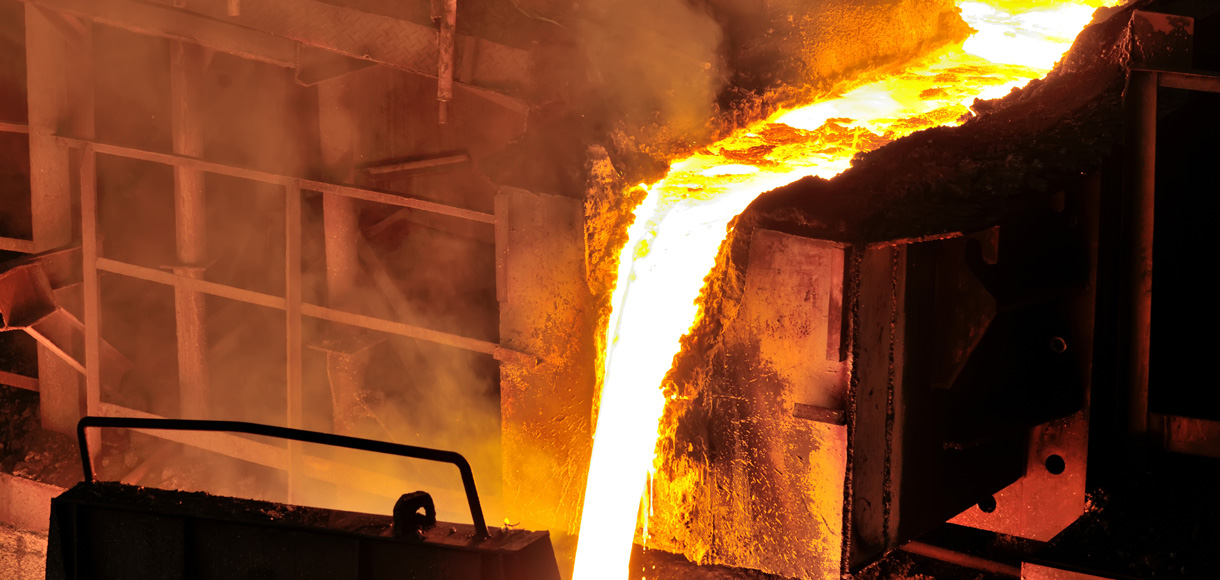
Although Metal Casting has evolved over centuries, its essential principles continue to be regular and indispensable to the production procedure. At its core, Metal Casting involves the improvement of liquified steel into strong items with numerous methods. The procedure starts with the production of a mold, which specifies the shape of the end product. Once the mold is prepared, metal is heated to its melting point and put right into the tooth cavity. After cooling down, the steel strengthens, taking the form of the mold and mildew.
There are numerous casting techniques, including sand casting, financial investment casting, and die casting, each with one-of-a-kind benefits and applications. The option of strategy depends on elements such as manufacturing volume, product kind, and wanted precision. Once cast, the last item may undergo extra procedures like machining or surface therapy to attain the required surface and requirements. Comprehending these basics is essential for any individual curious about the area of Metal Casting.
Recognizing Materials Utilized in Steel Casting
Materials play an essential role in the Metal Casting process, influencing the last item's residential or commercial properties and efficiency. Numerous steels are made use of, consisting of aluminum, steel, iron, and bronze, each offering unique qualities fit for certain applications. Light weight aluminum is corrosion-resistant and lightweight, making it excellent for auto parts. Iron, especially cast iron, is preferred for its excellent wear resistance and resilience. Steel supplies high strength and flexibility, commonly made use of in hefty machinery parts. Bronze, understood for its corrosion resistance and machinability, is typically used in aquatic applications.
In addition to the metals, different casting products, such as sand, plaster, and ceramic, are utilized to create mold and mildews. Sand spreading, one of the most prevalent method, utilizes silica sand due to its thermal stability and capability to create intricate forms. Plaster and ceramic mold and mildews provide better details but may require more complex processes. The choice of materials directly impacts the performance, price, and top quality of the casting operation.
The Layout Process: From Idea to Plan
The design process in Metal Casting starts with the initial principle growth, where concepts are generated and reviewed. This is adhered to by the application of CAD modeling techniques, permitting exact visualizations of the style. The plan finalization steps ensure that all specs are properly documented for manufacturing.
Initial Concept Advancement
Preliminary idea development notes a vital phase in the Metal Casting process, where concepts transform right into concrete designs. During this stage, developers work together with stakeholders and designers to brainstorm and improve first concepts. They take into consideration factors such as capability, aesthetic appeals, and manufacturability, making certain that the style meets the needed specifications and efficiency standards. Sketches and outlines are developed to envision the principles, permitting for preliminary assessments of feasibility and cost-effectiveness. This stage likewise involves determining materials and potential spreading techniques that straighten with the layout goals. Inevitably, initial idea development prepares for a thorough plan, guiding the succeeding phases of the casting procedure and guaranteeing an effective change from idea to fact.
CAD Modeling Techniques
Transforming concepts right into accurate styles, CAD modeling techniques play an essential role in the Metal Casting procedure. These techniques utilize innovative software to create thorough three-dimensional versions that precisely show the designated product. By using devices such as parametric modeling, strong modeling, and surface area modeling, developers can control measurements and forms easily. CAD systems also facilitate simulation and analysis, permitting the identification of prospective defects before production begins. This aggressive approach minimizes product waste and optimizes the layout for manufacturability. Furthermore, CAD models can be conveniently customized, making it possible for quick iterations based upon responses. Essentially, CAD modeling acts as the backbone of the layout process, connecting the gap in between first principles and the ultimate production-ready styles.
Blueprint Finalization Steps
Adhering to the creation of comprehensive CAD versions, the next stage involves plan finalization, which is vital in converting digital styles into workable prepare for production. This procedure starts with assessing the CAD models for precision and conformity with specs. When verified, the measurements, resistances, and material specs are carefully described to ensure clarity. Integrating comments and notes helps connect important information relating to spreading processes, surface area finishes, and assembly requirements. The wrapped up plan undertakes a strenuous approval procedure, typically including partnership with engineers and production groups to deal with any kind of prospective concerns. Besides revisions are made and authorizations gotten, the plan is officially released, serving as the fundamental file for the subsequent phases of Metal Casting, consisting of pattern production and mold and mildew design.
The Metal Casting Methods Discussed
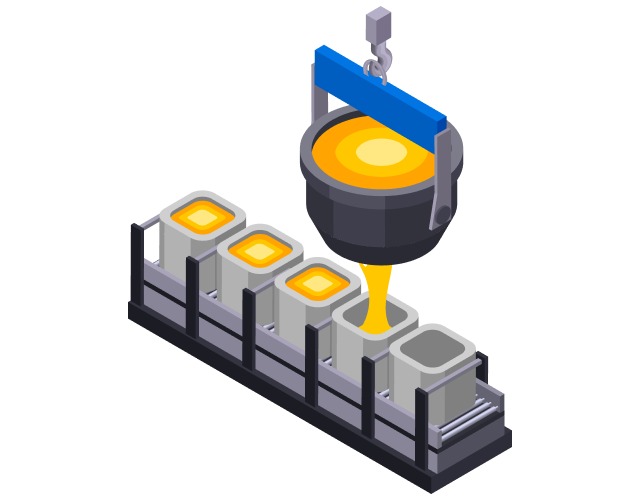
Metal Casting strategies encompass a selection of methods used to form liquified metal into preferred types. These strategies vary according to the type of product, complexity of the style, and manufacturing volume. Sand casting is just one of one of the most common approaches, entailing the development of a mold and mildew from sand to hold the molten steel. Financial investment casting, or lost-wax spreading, permits complex designs by making use of a wax pattern that is dissolved. Die casting uses high-pressure shot of liquified metal into a mold and mildew, suitable for mass production. Various other techniques include irreversible mold and mildew casting, which makes use of reusable molds, and centrifugal spreading, where rotational forces assist in filling the mold. Each method has its applications and benefits, making it important for makers to select the proper method based upon their certain demands and needs. Understanding these strategies is essential for any person associated with the Metal Casting procedure.
Ending Up Processes: Enhancing Your Casted Product
Completing processes play a vital function in boosting the top quality and look of casted products. Numerous surface area therapy strategies, such as polishing and coating, are utilized to boost toughness and visual appeals. Additionally, top quality inspection techniques ensure that the end product fulfills defined criteria and performance needs.
Surface Area Therapy Techniques
A variety of surface therapy techniques play an essential function in enhancing the quality and durability of casted items. These methods include methods such as shot blasting, polishing, and layer. Shot blowing up properly removes surface area flaws, enhancing the visual and useful features of the casting. Sprucing up offers a smooth coating, which is specifically essential for attractive applications and elements calling for very little friction. Covering methods, such as electroplating or powder finish, deal extra defense versus rust and wear, making certain durability. Surface area treatments can enhance adhesion for subsequent processes, such as paint or bonding. By utilizing these methods, makers can attain exceptional surface high quality, which is essential for the efficiency and life-span of Metal Casting in numerous applications.
Top Quality Evaluation Methods
Effective top quality inspection approaches are essential for assuring the stability and performance of casted products after the completing processes. Different strategies are utilized to analyze the high quality of Metal Casting, including aesthetic evaluation, dimensional checks, and non-destructive testing (NDT) Aesthetic inspection enables for the identification of surface problems, while dimensional checks guarantee that products meet defined tolerances. NDT techniques, such as ultrasonic testing and radiographic assessment, give deeper understandings right into interior stability without harming the spreadings. Furthermore, mechanical screening, such as tensile and firmness examinations, reviews product residential or commercial properties - Aluminum Foundry. By using a mix of these methods, makers can improve product high quality and dependability, ultimately causing better consumer contentment and minimized production costs
Safety And Security Considerations in Metal Casting
While the Metal Casting procedure provides countless advantages, it likewise presents a series of safety hazards that need to be carefully managed. Workers in casting centers are exposed to heats, molten steels, and hazardous materials, which can lead to extreme injuries if proper safety measures are not taken. Personal safety devices (PPE) such as heat-resistant handwear covers, encounter guards, and protective clothes is essential to minimize risks.
Furthermore, the visibility of fumes and dust requires proper ventilation systems to assure air quality - Wisconsin Aluminum Foundry. Regular training on safety protocols is crucial for all staff members to identify prospective hazards and react efficiently. Emergency situation procedures must be established, including fire security steps and emergency treatment accessibility. Upkeep of tools and proper handling of materials better add to a safer working setting. By prioritizing these safety factors to consider, Metal Casting operations can shield their labor force and preserve effective production procedures
Frequently Asked Concerns
What Are the Ecological Impacts of Metal Casting?
Metal Casting can cause ecological effects such as air and water pollution, source exhaustion, and energy intake. Additionally, incorrect waste monitoring and emissions from factories contribute to ecological disturbances and health and wellness risks for nearby communities.
How Do I Pick the Right Metal for Spreading?
To pick the ideal metal for spreading, one must consider elements such as mechanical Metal Castings residential or commercial properties, corrosion resistance, thermal conductivity, and expense. Assessing the desired application and environmental problems is crucial for optimal option.
What Are the Usual Problems in Metal Casting?
Usual problems in Metal Casting include porosity, shrinkage, sand incorporation, and misruns. These concerns often develop from inappropriate material choice, inadequate style, or problems in the casting process, impacting the end product's quality and performance.
Exactly How Can I Enhance My Metal Casting Skills?
To enhance Metal Casting skills, one should exercise consistently, research study casting techniques, evaluate previous projects for issues, seek comments from experienced wheels, and constantly explore different products and approaches to improve effectiveness and understanding.
What Is the Cost of Beginning a Metal Spreading Organization?
Starting a metal casting business normally calls for an initial financial investment of $5,000 to $50,000, depending on equipment, materials, and center costs. Aspects like place and scale can greatly affect general start-up costs.
The Metal Casting procedure is a fundamental technique in making that changes molten metal right into strong types. Beginners must realize the numerous techniques included, such as sand casting and pass away spreading. There are numerous casting methods, consisting of sand spreading, financial investment spreading, and pass away spreading, each with unique advantages and applications. Investment casting, or lost-wax spreading, enables for intricate designs by making use of a wax pattern that is melted away. Other approaches include long-term mold spreading, which utilizes multiple-use molds, and centrifugal spreading, where rotational forces help in filling up the mold.
Comments on “Inside the world of Aluminum Foundry: modern casting solutions”